


Get new posts by email:

Archives

Currently Reading

Here are the tastingspoons players. I’m in the middle (Carolyn). Daughter Sara on the right, and daughter-in-law Karen on the left. I started the blog in 2007, as a way to share recipes with my family. I’m still doing 99% of the blogging and holding out hope that these two lovely and excellent cooks will participate. They both lead very busy lives, so we’ll see.

– – – – – – – – – – – – – – – – – – – – – –

BOOK READING (from Carolyn):

Music of Bees, Eileen Garvin. Absolutely charming book about a woman in midlife, lonely, who raises bees, also makes unlikely friends. Heart-warming and very interesting about beekeeping.

A Postcard from Paris, Alex Brown. Really cute story. Dual time line, 1940s and present day about renovating an old apartment in Paris, things discovered.

Time of the Child, Niall Williams. Oh such a good book. Very small village in Ireland, 1960s. A baby is left on the doorstep. The town all whispers and helps. I listened to an interview of the author, which made me like him and his books even more.

Sipsworth, Simon Van Booy. If you like animals you’ll swoon. An old woman who really wants to die finds a tiny mouse in her house and befriends it and finds a reason to live. Utterly charming book.

The Forger’s Spell, Edward Dolnick. True story. For seven years a no-account painter named Han van Meegeren managed to pass off his paintings as those of Johannes Vermeer.

If You Lived Here, You’d be Home by Now, Christopher Ingraham. Could hardly put it down – about a journalist who takes on a challenge to move to small town in Minnesota and write about it. He expects to hate it and the people and place, but he doesn’t. Absolutely wonderful true story.

The River We Remember, William Kent Kreuger. 1950s, Minnesota. A murder and the aftermath. Could hardly put it down. Kreuger has such a vivid imagination and writing style.

How the Lights Gets In, Joyce Maynard. An older woman returns to New Hampshire to help care for her brain-injured son. Siblings and family, lots of angst and resentments.

The Filling Station, Vanessa Miller. Every American should read this book. A novelized retelling of the Tulsa massacre in 1921. Absolutely riveting.

The Story She Left Behind, Patti Callahan Henry. Love this author. Based on a true story. A famous author simply vanishes, leaving her husband and daughter behind. She had invented a mystical language no one could translate. Present day, someone thinks he’s solved the riddle, contacts the family. Really interesting read.

The Girl from Berlin, Ronald Balson. Love anything about Tuscany. An elderly woman is being evicted from a villa there, with odd deed provenance. Two young folks go there to help unravel the mystery. Loved it.

The Island of the Colorblind, Oliver Sacks, M.D. Nonfiction. The dr is intrigued by a remote Pacific island where most of the inhabitants are colorblind. He also unravels a mystery on Guam of people born with a strange neurological problem. Medical mysteries unveiled. Very interesting.

The Bookbinder, Pip Williams. Post 1914 London. Two sisters work at a bookbindery. They’re told to not read the books. One does and one doesn’t. One has visions beyond her narrow world; the other does not. Eventually the one gets into Oxford. Lovely story.

The Paris Express, Emma Donoghue. 1895 on a train to Paris, a disaster happens. You’ll delve into the lives of many people who survived and died in the crash.

A Race to the Bottom of Crazy, Richard Grant. This is about Arizona. Author, wife and child move back to Arizona where they once lived. Part memoir, research, and reporting in a quest to understand what makes Arizona such a confounding and irresistible place.

The Scarlet Thread, Francine Rivers. A woman’s life turned upside down when she discovers the handcrafted quilt and journal of her ancestor Mary Kathryn McMurray, a young woman who was uprooted from her home only to endure harsh frontier conditions on the Oregon Trail.

A Place to Hide, Ronald Balson. 1939 Amsterdam, an ambassador has the ability to save the lives of many Jewish children. Heartwarming.

Homeseeking, Karissa Chen. Two young Chinese teens are deeply in love, but in China. Then their families are separated. Jump to current day and the two meet again in Los Angeles.

North River, Pete Hammill. He always writes such a good story. A doctor works diligently healing people from all walks of life. His wife and daughter left him years before. One day his 3-yr old grandson arrives on his doorstep.

A Very Typical Family, Sierra Godfrey. A very messed-up family. Three adult children are given a home in Santa Cruz, Calif, but only if the siblings meet up and live in the house together. A very untypical scenario but makes for lots of messes.

Three Days in June, Anne Tyler. The usual Anne Tyler grit. Family angst. This wasn’t one of my favorites, but it was entertaining and very short.

Saved, Benjamin Hall. Author is a veteran war reporter. Ukraine, 2022, he nearly loses his life to a Russian strike. Riveting story – he survives, barely.

Grey Wolf, Louise Penny. Another Inspector Gamache mystery in Quebec. She is such an incredible mystery writer.

All the Colors of the Dark, Chris Whitaker. A missing person mystery, a serial killer thriller, a love story, a unique twist on each. Could hardly put it down.

Orbital, Samantha Harvey. Winner of 2024 Booker Prize. I don’t usually like those, but I heard the author interviewed and she hooked me. This is not a normal book with a beginning, a story and an end. It’s several chapters of the day in the life of various astronauts at the ISS (Int’l Space Station). All fictional. She’s been praised by several real astronauts for “getting it” about space station everyday life.

The Blue Hour, Paula Hawkins. An island off Scotland. Inaccessible except when the tide is out. Weird goings on. An artist. A present day mystery too.

Iron Lake, William Kent Krueger. A judge is murdered and a boy is missing. Riveting mystery.

Tell the Wolves I’m Home, Carol Ricks Brunt. 1980s. A 14-yr old girl loses her beloved uncle. Yet a new friendship arises, someone she never knew about.

Four Treasures of the Sky, Jenny Zhang. 1880s, a young girl is kidnapped in China and brought to the United States. She survives with many hurdles in the path.

The Boy Who Fell out of the Sky, Ken Dornstein. Memoir, 1988. The author’s brother died in the PanAm flight that went down in Lockerbie, Scotland. A decade later he tries to solve “the riddle of his older brother’s life.”

Worse Care Scenario, T.J. Newman. Oh my. Interesting analysis of what could/might happen if a jet crashed into a nuclear plant. Un-put-downable.

Song of the Lark, Willa Cather. Complicated weave of a story about a young woman in about 1900, who has a gifted voice (singing) and about her journey to success, not without its ups and downs.

Crow Talk, Eileen Garvin. Charming story which takes place at a remote lake in Washington State, about a few people who inhabit it, the friendships made, but also revolving around the rescue of a baby crow.

The Story Collector, Evie Woods. Sweet story about some dark secrets from an area in Ireland, a bit magical, faerie life, but solving a mystery too.

A Sea of Unspoken Things, Adrienne Young. A woman investigates her twin brother’s mysterious death. She goes to a small town in California to figure it out, to figure HIM out.

The King’s Messenger, Susanna Kearsley. 1600s England, King James. About one of his trusted “messengers,” and his relationship with a young woman also of “the court.” Lots of intrigue.

In the Shadow of the Greenbrier, Emily Matchar. Interesting mystery in/around the area of the famous resort in White Sulphur Springs, West Virginia.

Isola, Allegra Goodman. Hard to describe, survival story on an island in the 1600s.

Save the Date, Allison Raskin. Rom-com, witty, LOL funny. Clever.

The Sirens, Emilia Hart. Numerous time-lines, Australia. Mysteries abound, nightmares, abandoned baby, weird allergies.

Red Clay, Charles Fancher. LOVED this book. Mostly post-Civil War story about the lives of slaves in Alabama during Reconstruction.

Stars in an Italian Sky, Jill Santopolo. Dual time line, 1946 and recent time. Love stories and a mystery.

Battle Mountain, C.J. Box. Another one of Box’s riveting mysteries. Love his descriptions of the land.

Something Beautiful Happened, Yvette Corporon. A memoir of sorts in Greece, tiny island of Erikousa, where the locals hid Jews during WWII. All elusive stories told by the author’s grandmother.

The Jackal’s Mistress, Chris Bohjalian. 1860s Virginia, about a woman who saves the life of a Union soldier. Really good story.

Song of the Magpie, Louise Mayberry. Really interesting story about Australia back in the days when it was mostly a penal colony. Gritty strength of a woman trying to thrive with her farm.

The Boomerang, Robert Bailey. A thriller that will have you gripping the book. About a lot of secrets surrounding the president (fictional novel, remember) and his chief of staff and about cancer. A cure. Such a good story.

Care and Feeding, Laurie Woolever. Really interesting memoir of a woman driven to succeed in the restaurant business. She worked for Mario Batali and then Anthony Bourdain. Gritty stories.

Everything is Tuberculosis, John Green. Maybe not a book for everyone. A real deep dive into the deadly tuberculosis infection, its history. I heard the author interviewed and found the book very interesting.

The Book Lovers Library, Madeline Martin. Fascinating read about Boots’ drug stores’ lending library. And the people who worked in them.

The Arrivals, Meg Mitchell Moore. LOL funny, about a middle-aged couple whose children (and their various family members) return to the family home and the chaos that ensues.

My Life as a Silent Movie, Jesse Lee Kercheval. About grief. A big move to Paris, finding herself a new life with a new set of real blood family.

Escape, Carolyn Jessop. Another memoir about a woman really in bondage in Utah, Mormon plural marriage.


Tasting Spoons

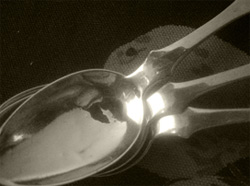
My blog's namesake - small, old and some very dented engraved silver plated tea spoons that belonged to my mother-in-law, and I use them to taste my food as I'm cooking.

Scroll down to the bottom to view my Blogroll

Posted in Soups, on October 31st, 2016.

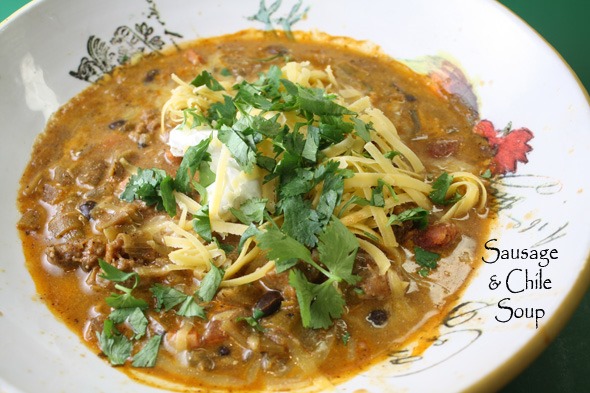
sausage_chile_soup2

Is it soup weather? I have a passion for soup, even if it’s the middle of summer. But it’s winter thank goodness!

I don’t love hot soup when it’s hot and muggy, but I’ve been known to eat it anyway. Once the weather turns cooler, though, I’m all over the variety of mixed vegetables to add to a pot full of soup. This time I’d started off reading a recipe for a chicken crockpot soup, but as I added and deleted items, it stopped being an enchilada soup (a misnomer anyway) and became a vegetable soup with some leeks and chiles. And not in the crockpot. And not chicken, but sausage. By the time I started on this soup it was about 3pm, and no time to make it in the crockpot.

Leeks are a given in lots of my soups. They just add a ton of flavor. So then I added a can of red enchilada sauce (it could be green or red), some onion, carrot and celery, cumin for flavor and chili powder for some oomph. A single can of black beans went in (you could easily add more, and a can of white beans too if you/your family like the carbs), some low sodium chicken broth (Penzey’s soup base and water) and a soup was in the making. I let it stew for awhile, lid on, and then I added in about 4 ounces (half of an 8-inch block was what I had languishing in my refrigerator) of cream cheese. If you chop it up in small cubes it will kind of silky-slide or melt into the soup. Use a whisk if it leaves pieces. If you really want the cream cheese to be smooth, remove a cup or two of soup broth and whiz the cream cheese and the broth in a blender, then add it back into the soup. Lastly I added a scant pound of sweet Italian sausage that I just cut up with scissors. Once that was cooked, I added 1/4 cup of heavy cream. If you’ve been reading my blog for awhile, you know I like a bit of creaminess to my soups. That little 1/4 cup added a lot of smoothness to the soup along with the cream cheese. The type of chili powder I used for this soup (from Penzey’s) added a whole lot of heat – more than I’d planned on, actually, so use your own judgment on how much to add.
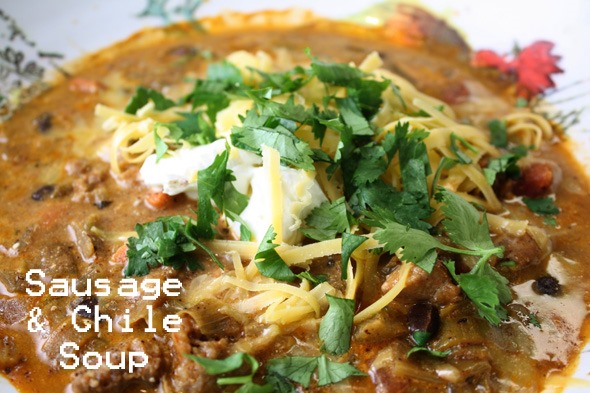
sausage_chile_soup1Don’t let the sausage cook in the soup for a long time or it will give up all its flavor to the soup. Instead, just cook it long enough so it’s done, add the cream and you’re ready to eat.

Heat the soup to a simmer, and it’s ready to serve. Meanwhile, prepare some toppings like grated cheese (Jack or Cheddar or Colby, or pepper-Jack), a dollop of sour cream (or yogurt), a lime wedge and some more cilantro to sprinkle on last.

This soup made a bunch – enough for about 8-10 servings, I think, unless you have a football player around. I took out about 4 cups for some friends (2 meals worth of a cup apiece, I hoped), and the husband had 3 servings that first night, so there went my idea of providing them with 2 dinner meals. He loved it. Obviously! I loved it too – had it for a lunch or dinner for several days. Some went into a freezer bag and will keep for another day when I don’t feel like cooking.

What’s GOOD: good, hearty meal. For my appetite, a bit over a cup provided a filling portion, but some may want more. Loved all the vegetables in it, and the chunks of Italian sausage were really nice. You could use turkey Italian sausage too. The toppings make it very colorful and full of more texture. I particularly like to add more fresh cilantro on top when serving. It was even better the day after I made it, FYI.

What’s NOT: really nothing – might require a trip to the grocery store for leeks (I never keep them on hand).

printer-friendly PDF and MasterCook 15/16 file (click link to open recipe)

* Exported from MasterCook *

Sausage and Chile Soup

Recipe By: Adapted from an online recipe
Serving Size: 7

10 ounces red enchilada sauce
3 medium leeks — chopped, rinsed
2/3 cup yellow onion — diced
2/3 cup carrot — peeled, diced
2/3 cup celery — diced
15 ounces black beans — drained, rinsed
4 ounces diced green chiles
10 1/2 ounces canned diced tomatoes
4 teaspoons chili powder — (or less to taste)
1 tablespoon ground cumin
2 tablespoons fresh cilantro
4 cups low sodium chicken broth
3/4 pound Italian sausage — cut in small pieces (or use chicken Italian sausage)
4 ounces cream cheese — softened
1/4 cup heavy cream
Optional toppings: pepper-jack cheese, sour cream, fresh lime wedges, more cilantro, maybe some tortilla chips

1. In a large soup or stock pot pour in the red enchilada sauce, chopped leeks, onion, carrot, celery and drained and rinsed black beans. Add the undrained diced fire-roasted green chiles, canned tomatoes, chili powder, cumin, coarsely chopped fresh cilantro, and chicken broth or stock.
2. Bring to a boil, cover, reduce heat to a simmer and cook for about 30-45 minutes.
3. Chop the cream cheese into small cubes and add to the soup, stirring until it’s completely melted and smooth. Use a whisk if necessary (or whiz it up in the blender with some of the soup broth and add back in).
4. Add the raw Italian sausage and allow soup to simmer for about 15 minutes until it’s cooked through. Taste for seasonings and add salt or pepper if needed. Add the heavy cream and bring to a simmer. Serve with desired toppings.
Per Serving: 558 Calories; 25g Fat (40.6% calories from fat); 30g Protein; 54g Carbohydrate; 12g Dietary Fiber; 80mg Cholesterol; 1115mg Sodium.

Posted in Pasta, Pork, on October 28th, 2016.

First off, I have to tell you about one of my birthday gifts. I happened to mention to my daughter in law, Karen, about Rachel Ray’s pasta pot, about how it’s an elongated oval in shape so you can plunge the entire length of linguine or spaghetti or whatever long pasta you’re using and you don’t have to stand there over the steam facial trying to stuff the pasta down into the boiling water. Always seems to me like that’s problematical at times. I thought my DIL would want one for herself, since she makes pasta with some frequency for her family. I never thought she’d buy it for ME! But she did – for my daughter Sara (our birthdays are 5 days apart) and for me. Then she went shopping and bought some lovely California olive oil and several packages of long pasta and some high-end tomato sauces and wrapped it all up in cellophane and gave it to us. What a fun gift.

rachel_rays_pasta_pot

This is Rachael Ray Porcelain Enamel II Nonstick 8-Quart Covered Oval Pasta Pot with Pour Spout, Red Gradient– it’s quite long – oval in shape. Comes in 3 or 4 colors. It’s available at Amazon – click the link.
This new pot is SO great. I just LOVE LOVE the long oval shape and I made pasta last night just so I could use it and try it out. On the far side – the edge – you can barely see it, there’s a pour spout. The handles (can’t see them in the photo, sorry) have soft red covers so they don’t get too hot to handle. The pot is nonstick, though I don’t know that I’ll use it for actual cooking. It’s not a super heavy pot, not like cast iron. I was gleeful as I decided to make some pasta since I consider it a real treat.

I’ve been working on a project – it’s taken me weeks and weeks – sorting through and throwing away most of my old-old recipes that I’ve been collecting (these are clippings from numerous magazines and newspapers, 3×5 cards sometimes, a few from the early internet days and some stray cooking class recipes on which I’d made no notes whether the dishes were good, bad, etc.) since the mid-1960s. Most of them I’d never made, but they were sorted into categories and I’d rarely dip into the folders. Some of the pocket folders I haven’t touched for 5 or more years. Definitely time to do something about them. None are in my recipe software. So I’d dump out a pile of recipes – somewhere between 50-300 in each folder and standing at my kitchen island I’d start a discard pile and a few would go the other way to be input into MasterCook. In the pasta pocket folder containing about 100 recipes I saved out 5 recipes, of which this was one.

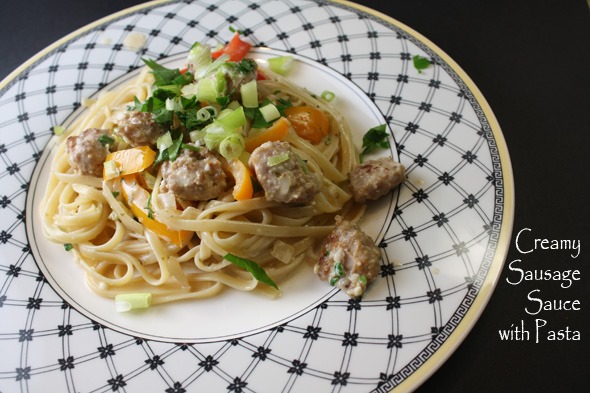
creamy_sausage_sauce_pastaThe recipe I decided to try comes from one of the Café Beaujolais (Mendocino, California) cookbooks. Don’t know which one. It called for andouille sausage or linguisa. I had regular Italian sweet sausage instead. And it might be really good with chorizo too. And I added onion which wasn’t in the original recipe. Otherwise it’s mostly Margaret Fox’s recipe. I used less cream, more cheese and maybe a few more slivered peppers.

What’s GOOD: oh my goodness, was it good. Maybe I was just over the moon at having pasta in any way, shape or form, but I loved the combo of sausage and cream – which is what Margaret Fox wrote in the original recipe, about the affinity of the two; something she’d never tried before until her husband created this dish. I used half a cup of cream for the whole dish which serves at least 3, maybe 4 small servings. So, not too bad. Loved this. I’d definitely make it again. And, it came together in a jiffy.

What’s NOT: not exactly a low calorie or low fat dish, sorry to say. It satisfied all my cravings for sausage and pasta and then some. Seems like I dirtied up a bunch of pots and pans, but really only two; it’s just that they were both big ones.

printer-friendly PDF and MasterCook 15/16 file (click link to open recipe)

* Exported from MasterCook *

Spicy Creamy Sausage Sauce

Recipe By: Adapted from a recipe from Cafe Beaujolais, Mendocino (from Margaret Fox, the original owner/chef)
Serving Size: 3

2 tablespoons olive oil
3/4 pound Italian sausage — cut into chunks
1/2 yellow onion — slivered
1/2 cup bell peppers — slivered
1/4 teaspoon red chili flakes
2 cloves garlic — minced
1/2 cup dry white wine
1/2 cup heavy cream
1/2 cup green onion — chopped
1/2 cup Parmigiano-Reggiano cheese — grated
1/2 cup Italian parsley — chopped
8 ounces linguine
1 teaspoon salt — for the pasta water
Save some of the cooking water

1. Set aside some of the chopped green onions and parsley for garnishing.
2. Heat a large skillet and add olive oil. Add the Italian sausage and brown well on all sides (helps develop flavors). Add onion and saute for 3-4 minutes, then add peppers and continue cooking for 2-4 minutes until onion is cooked through. Add garlic and red chili flakes and stir for about a minute. Don’t let the garlic brown.
3. Add the white wine and cook for 2-4 minutes to let the flavors marry.
4. Meanwhile, heat a large stock pot with water and add salt. Cook linguine until barely tender (al dente).
5. To the sausage pan add heavy cream, the green onions, parsley and grated cheese. Stir as you heat the sauce through.
6. Drain pasta and add to the meat mixture, stirring to combine. Add some of the pasta cooking water as needed to make the mixture fluid. Immediately serve and garnish with the reserved parsley and green onions.
Per Serving: 942 Calories; 61g Fat (59.7% calories from fat); 28g Protein; 64g Carbohydrate; 3g Dietary Fiber; 141mg Cholesterol; 1574mg Sodium.

Posted in Travel, on October 25th, 2016.

plitvice_lake_trees

Really? Who knew there were such gorgeous lakes and scenery in Croatia? People who have been there, yes! I certainly didn’t know. I didn’t read up on Croatia much before I went on this trip, knowing that we’d have a guide who would give us plenty of information.

Plitvice (plit-vee-cheh) Lakes is a National Park about 30 miles south of Zagreb (in central Croatia), and about 20-30 miles east of the Adriatic coast. To say it’s stunning is almost an understatement.

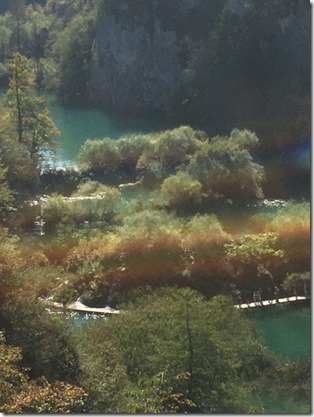
This photo at left is one of my other favorites from my whole trip. And yes, the water color is natural – I didn’t touch up that photo one little bit except to reduce its size to fit here on my blog. I was just amazed at the beautiful pictures I got from my iPhone.

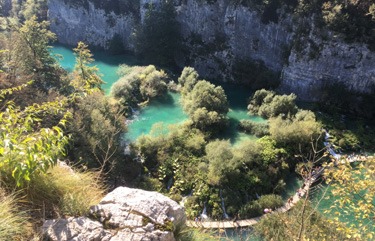
plitvice_lake_2Plitvice Lakes National Park has a bunch of terraced lakes, all interconnected and separated by natural travertine dams. There is a long walking trail, a catwalk all along the lake edges, mostly over uneven wood slats elevated about a foot above the water. There are no hand rails, and people must pass one another along the narrow paths. A bit challenging.  Some in our group did the long walk – I did the short one which was mostly up high, above the lakes, on a very uneven dirt path with roots and rocks in lots of dangerous places. No safety features here. You’re on your own. All of us had to keep our eyes on the ground to not trip. But we paused numerous times to take pictures and to catch our breath. In the photo at right you can see the catwalk along one of the lakes.
plitvice_lake_1

There’s another view of the cascade of lakes with the catwalk path on the far side.

On the upper path we were about 300-400 feet up, I’d suppose. We’d get glimpses of the lakes down below every so often and eventually we met up with the lakes, since they were at a higher elevation the further we went.

I’d suppose this is similar to glacier water, with those colors in it, but no one ever mentioned that on our walks. We weren’t at a very high elevation. Maybe it’s just the mineral content of the water. It was crystal clear.

plitvice_lake_5


Here in this photo on the right you can see more of the cascading, but notice all the people on the catwalk. It was warm that day – I would think the folks down below would have been parched and hot. On the upper path we were in the shade mostly but we were hot too.

plitvice_lake_4

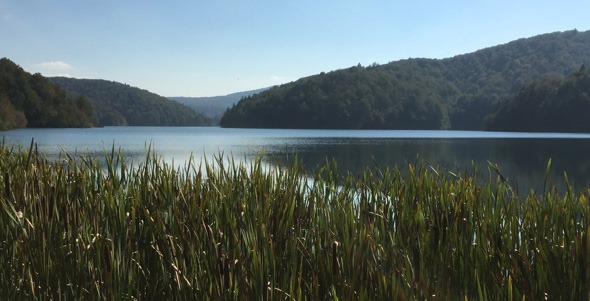
Here we were at the upper lake and on the “short” walk we went on part of the catwalk into/onto this lake. I found walking on the catwalk somewhat treacherous – I kept thinking I was going to trip . . . but these lakes were just gorgeous, don’t you agree?

Posted in Cookies, on October 22nd, 2016.

port_balls

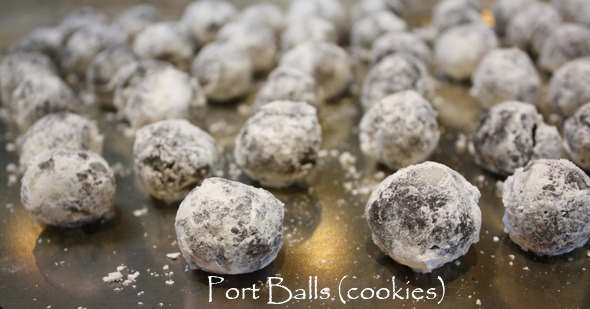
The cutest, tastiest little buggers. Easy peasy to make.

As I mentioned a few days ago, my friend Cherrie and on a quest to make some different cookies for our annual cookie marathon we usually do in early December. This was a recipe I’d cut out of the Los Angeles Times – I had an old, yellowed clipping. It did require a trip to the grocery store for vanilla wafers; not something I stock in my pantry! I learned something on the journey . . . the recipe called for 12 ounces (a box) of the cookies. Those boxes are now 11 ounces, not 12. Lots of foods are now packaged in smaller quantities – I suppose it’s to avoid having to raise prices. I haven’t altered the recipe because of the loss of one ounce – they seemed to turn out okay. I wasn’t going to buy another box, and I assumed the cookie would survive that minor change.

Anyway, the ingredients are all whizzed up in the food processor – the cookies, Dutch processed cocoa (I used King Arthur’s Double Dutch Dark Cocoa) pecans, dark corn syrup, and the Port wine. The powdered sugar is used to coat the balls after you make them. I think Cherrie counted them – we got 47 balls. THAT would account for lack of the extra ounce of cookies. The balls are small – they’re rich – and when you taste them it takes just a few seconds to feel the warmth from the wine.

The original recipe called for Zinfandel Port. I’m sure at one time I had a bottle of that, but it’s been drunk in the past. I wasn’t about to make a trip to the wine store for that, so I substituted an aged Port instead. Do NOT use California Port – it’s a far cry and a poor substitute for a real, Portuguese Port. Many years ago I visited Portugal and learned to savor the many types of Port. If you visit Porto, the northern Portuguese port, you’ll likely visit the port lodges that sit right on the wharves on the south side of the Duoro River as it moseys out into the Atlantic Ocean. You’re in for a treat if you ever go there. On the same trip I also visited Madeira (it belongs to Portugal, but it’s located off the northwestern coast of Africa) and came to REALLY appreciate Madeira. I prefer it to Port any day, but Port was what was called for here, so I used some Taylor Fladgate aged Port for it.

Cherrie rolled these little guys into balls, dipped them in the powdered sugar and set them on a rack to “dry” and then we packaged them up. We both really liked them. I’d definitely make these again. An adult cookie, I suppose, but there’s not much Port in them, so even if a teenager or younger child ate one, I doubt they’d notice anything except the warmth in the tummy.

What’s GOOD: the overall flavor is very nice. The Port is subtle; so is the chocolate, actually. Maybe as they sit and “age” the flavors will be more pronounced. They won’t last that long, I don’t believe! They shouldn’t be frozen as the powdered sugar would disappear – though I suppose you could re-sugar them if you did.

What’s NOT: well, I suppose it’s not a very good family cookie. I’m not certain children would really like it anyway. I don’t know . . .

printer-friendly PDF and MasterCook 15/16 file (click link to open recipe)

* Exported from MasterCook *

Chocolate Port Balls (Cookies)

Recipe By: Los Angeles Times, from many years ago
Serving Size: 48

11 ounces vanilla wafer cookies
1/2 cup Dutch-process cocoa powder — unsweetened
1 cup pecans
1/4 cup dark corn syrup
1/2 cup port wine — use good quality
1/2 cup powdered sugar

NOTES: Original recipe called for Zinfandel Port. That may be hard to find, so use any other good quality, but heavy-duty port wine. Do not use California Port. Original recipe also called for 12 ounces of vanilla wafers, but current boxes contain 11 ounces. Recipe seems fine with that quantity.
1. In a food processor, whirl vanilla wafers until they are fine crumbs, then add cocoa powder and pecans until the mixture is uniformly fine. Add corn syrup and port and whirl until blended.
2. Shape dough into 1-inch balls and roll in powdered sugar. Set on a rack to dry. Transfer to an airtight container. Will keep for a couple of weeks. Do not freeze.
Per Serving: 62 Calories; 3g Fat (42.9% calories from fat); 1g Protein; 8g Carbohydrate; trace Dietary Fiber; 0mg Cholesterol; 23mg Sodium.

Posted in Travel, on October 19th, 2016.

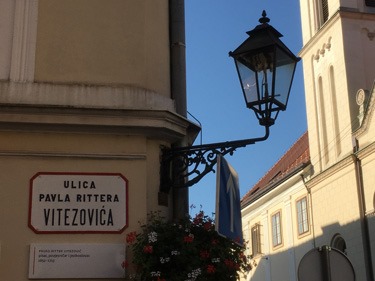
zagreb_sign

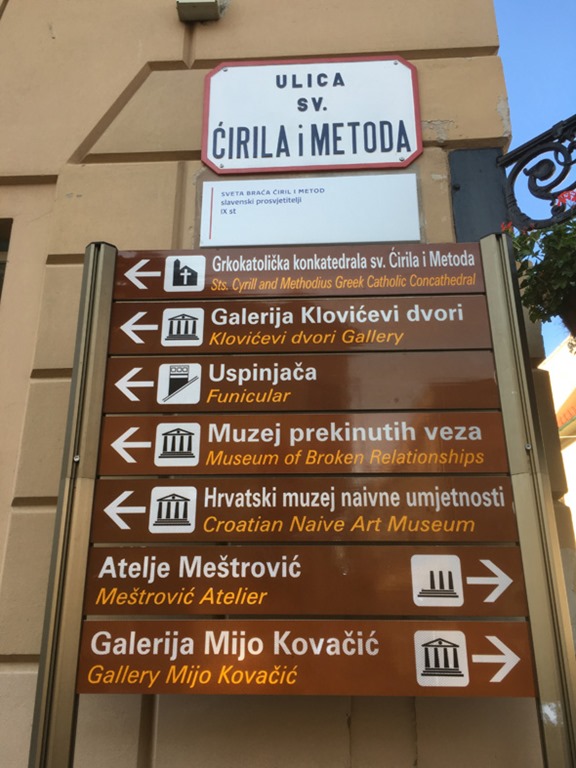
A street sign, nicely done with some English. I think this was in Zagreb. We actually took the funicular (3rd arrow down) from the lower town to the upper town. Took all of about a minute.

Zagreb was a very pretty city – they have a big public park right smack in the middle of town – I thought I’d taken some photos there, but I guess not. Over the 2 nights and a day we visited numerous places and I haven’t been able to exactly pinpoint which pictures goes with which town. There were so many. Notice on the sign above, there’s a museum of broken relationships. We didn’t visit, but our guide told us that people from all over the world sent little mementos of various types, some bizarre, some poignant, some funny, of the detritus that is left from a marriage or a relationship. It might have been interesting to see.

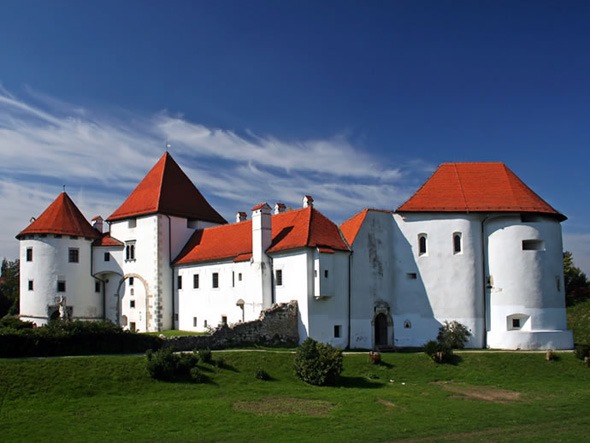
verazdin castle

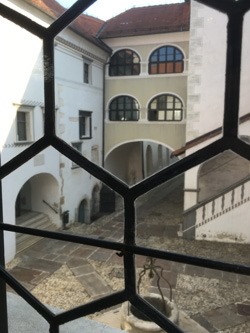
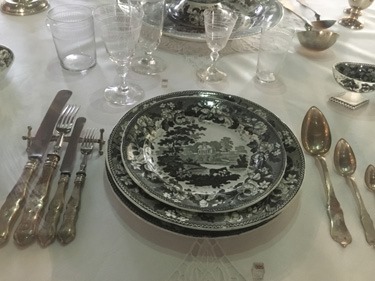
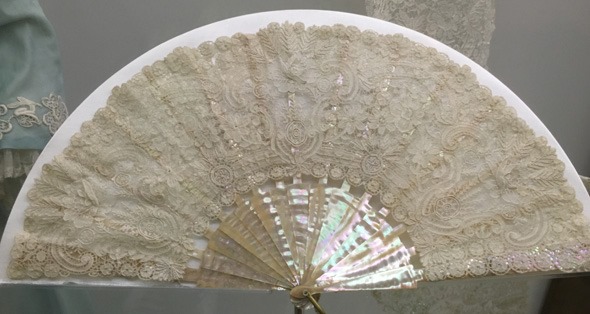
This is the castle at Verazdin (this photo above shows it so much better than my own photo, with scaffolding stari_grad2all over – came from a Croatian travel website). We visited a museum there. Picture at left is the inner courtyard of the castle. Others below are from the museum, including the ornate dishes (I love transferware) from one of the stari_grad_dishesformer monarchs. Nothing was in English there, so we had to guess at some of the artifacts. Somebody needs to polish the silver in these glass display cases!

We walked the town with a guide. We had a Croatian guide who was with us from our arrival at the airport in Zagreb, until we went into the airport terminal at Dubrovnik 13 days later. He was charming, Danilo, a lovely man, who really knew his history. He would regale us with history lessons sometimes during our long bus journeys. But in each city we also hooked up with a city guide – most places do that – can’t let the country guide do all the guiding, must keep the city guides in business, so in most of the places we visited we had a city guide to tell us all about that place.stari_grad_fan

I thought this ornate fan was just stunning. Oyster shell struts (or abalone?) and very intricate lace and tatting. It was quite beautiful.

zagreb_gaslight

This might have been in Verazdin – it was unique because in the old town they still have gas lights, and they’re still lit by a real-live gas lighter fellow every evening, and snuffed out every morning. Kind of charming. We didn’t see it at night, but I can imagine it was very pretty.

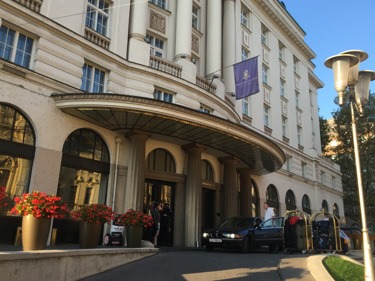
hotel_imperial_zagreb

Our hotel, in Zagreb, the Imperial. It was a beautiful hotel, old world charm but with all the nice amenities of a first class hotel. We enjoyed our stay there.

Posted in Cookies, on October 17th, 2016.

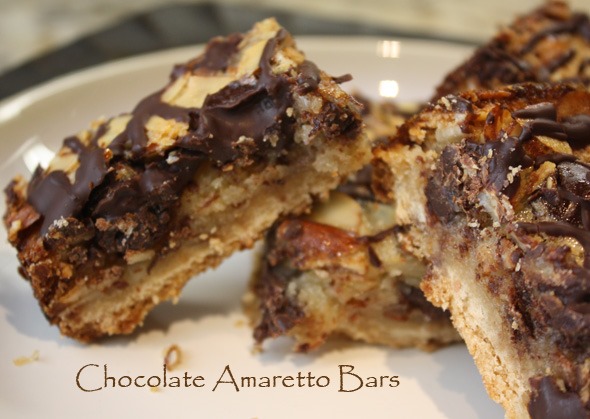
choc_amaretto_bars

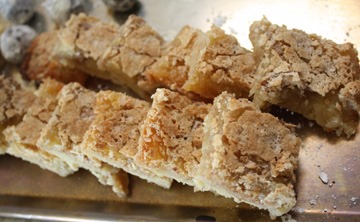
Planning ahead for Christmas cookies . . .

It’s only October, and my friend Cherrie and I are wanting to make some different cookies this year when we do our annual Christmas cookie baking, usually in early December. We’ve been stuck in a rut for some years, making the same ones year after year. With all of the recipe sorting I’ve done in the last couple of months, I came across a bunch – really a lot – of old time cookie recipes that sounded good. We started with a list of 9 cookies, and narrowed it down to four. So, one day, when it was still hot, summery and sticky outside, I cranked down the A/C and we dug in to try these new recipes.

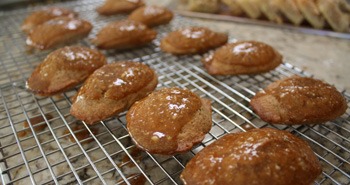
gingerbread_madeleinesWe made some gingerbread madeleines. Well, they were a complete bust, pictured there at left. They: (1) were too sweet; (2) stuck to my supposedly nonstick madeleine pan; the batter was so firm after being refrigerated, per the directions, that I had to leave it out for an hour so I could even scoop it; and lastly (4) because they stuck to the pan, I couldn’t frost the correct (ridged) side as they were all pock-marked. Toss out that recipe for sure.

lemon_walnut_barsWe also made a batch of lemon walnut bars. It sounded so good – Cherrie and I both like walnuts and I still have lemons on my tree. BUT, they were also a bust. Pictured at right, they (1) were too gooey and even after baking longer and longer, the filling never really firmed up; so (2) were almost impossible to cut; and (3) because the filling was too wet/damp, the shortbread part on the bottom got soggy, which made them unstable to be a bar. They were also sweeter than I like for a cookie, too. Threw that recipe out too.

Cherrie and I decided that there are so many cookie recipes out there, it’s simply not worth our time to try to figure out how to fix these.

But these Amaretto bars with chocolate were great. After baking them, though, I almost thought they were going to be a bust too because we couldn’t cut them very well. I refrigerated them overnight and was able to cut them properly then, so I fixed the below recipe to make sure that problem doesn’t happen to you. The taste, though, is wonderful, but they’re RICH. Just so you know . . .

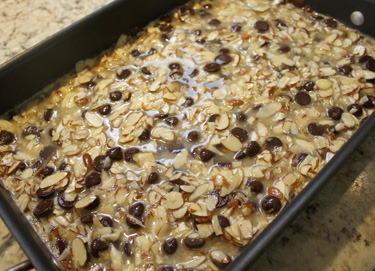
choc amaretto bars unbakedThe bars are layered. First there’s a shortbread layer on the bottom that’s baked; a filling contains eggs, chocolate chips, Amaretto, sliced almonds, sugar and corn syrup, butter and cornstarch. That’s poured over the hot bottom crust (see photo at left of the filling poured in and ready to be baked) and baked for 25 minutes.

The pan is cooled on a rack, then you drop 1/3 cup of chocolate chips into a heavy-duty (freezer) plastic bag, microwave it until it’s very warm and melted, then you snip off a corner of the bag and drizzle that all over the bars.

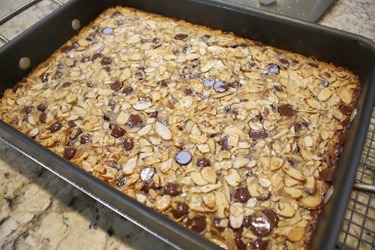
choc_amaretto_bars_bakedHere, on the right you can see the finished pan full out of the oven. The top is golden brown. It took a good long while for this pan to cool off – at least two hours. Do more-or-less cut the bars while the pan is warm (but not when they’re hot). The bars are ooey-gooey, but you’ll be glad to have an idea about cutting them the next morning when you can cut them completely. When chilled, the bottom shortbread is very firm, so I was glad that most of the bars were already mostly cut.

What’s GOOD: did I mention that they’re very rich? Yes, indeed, so do cut them into small squares. I’m not sure how many I got from the pan, so I guessed at 36. You might get more than that. Being so rich, you won’t want to eat more than one, most likely. If you’re a chocoholic, you’ll be a happy camper. If you prefer milk chocolate, just substitute for the dark listed in the recipe below. Great recipe.

What’s NOT: nothing about them is hard to do, and it makes a lot of cookies/bars, but it’s a bit fussy trying to get them cut properly. I thought it was worth the effort, but for some, you might find it a bit difficult. I advise using a glass 9×13 pan so when you use a sharp knife to cut, you won’t be damaging the knife on the metal pan. I used my nonstick pan, and won’t do THAT again. I’m surprised I didn’t make some permanent grooves in the nonstick coating.

printer-friendly PDF and MasterCook 15/16 file (click link to open recipe)

* Exported from MasterCook *

Chocolate Amaretto Bars

Recipe By: a Nestle’s Baking Book, from the 1980’s probably
Serving Size: 36

CRUST:
2 cups all-purpose flour
3/4 cup butter or margarine — (1 1/2 sticks) cut into pieces, softened
1/3 cup packed brown sugar
FILLING:
4 large eggs
3/4 cup light corn syrup
3/4 cup granulated sugar
2 tablespoons butter or margarine — melted
1 tablespoon cornstarch
1/4 cup amaretto — or 1/2 teaspoon almond extract
2 cups sliced almonds
1 2/3 cups chocolate chips — [I used dark chocolate]
CHOCOLATE DRIZZLE:
1/3 cup chocolate chips — [I used dark chocolate]

1. PREHEAT oven to 350º F. Grease a 13 x 9-inch glass baking pan.
2. FOR CRUST: Beat flour, butter and brown sugar in large mixer bowl until crumbly. Press into prepared baking pan.
3. BAKE for 12 to 15 minutes or until golden brown.
4. FILLING: Beat eggs, corn syrup, granulated sugar, butter, cornstarch and liqueur in medium bowl with wire whisk. Stir in almonds and 1 2/3 cups morsels. Pour over hot crust; spread evenly.
5. BAKE for 25 to 30 minutes or until center is set. Cool completely in pan on wire rack.
6. DRIZZLE: Place remaining 1/3 cup morsels in heavy-duty plastic bag. Microwave on HIGH (100%) power for 30 to 45 seconds; knead. Microwave at 10- to 15-second intervals, kneading until smooth (this may take 90 seconds or so to reach the melting point, but not hot enough to melt the plastic. Cut tiny corner from bag; squeeze to drizzle over bars. Using a knife, and with a tall mug of boiling water nearby, cut the bars into 1 to 1 1/2″ squares, dipping the knife back into the hot water if the filling sticks. Try using a sharp spatula to cut through the crust part. Refrigerate for several hours. Using a spatula or a kitchen knife or both, re-cut the scored part and carefully lift out the squares. If storing for awhile, put waxed paper between layers and seal in a plastic box for up to a week. Keep bars in refrigerator.
Per Serving: 228 Calories; 13g Fat (49.0% calories from fat); 4g Protein; 27g Carbohydrate; 1g Dietary Fiber; 36mg Cholesterol; 65mg Sodium.

Posted in Travel, on October 15th, 2016.

mostar_river_1

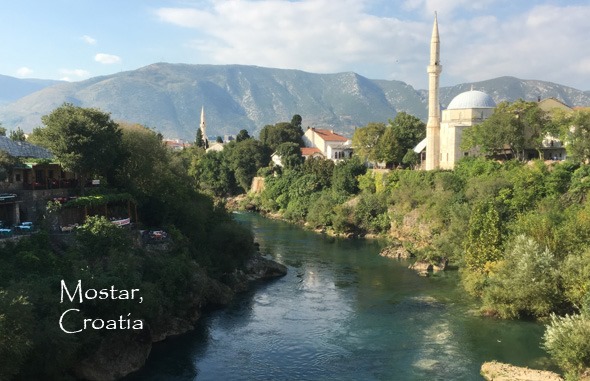
I’ve just returned from a 2-week trip to Croatia, Bosnia (and Herzegovina) and Montenegro. Wow. That’s it in a nutshell. If you haven’t been, you need to plan a trip there.

The picture above is one of the best photos I took on the trip, I think. There are a few more, but that one just takes me to that place in an instant, in my head. Since Yugoslavia was divided up, there are 5 different countries: Croatia (along the coast south of Venice, Italy and inland), Bosnia (further south on the coast and way inland too, past Sarajevo), Montenegro, which is a small pie wedge of a country along the most southern coast and some inland mountains; and Slovenia (eastern strip, didn’t go there) and Serbia (also didn’t go there). The division of the old Yugoslavia is quite complex, so don’t quote me on all the borders.

These countries are struggling a bit – Montenegro, Croatia and Slovenia managed to get into the EU (probably because tourism is prospering) but the other countries are not. Their unemployment rate is extremely high, except Montenegro. All the countries are trying to find their niche (industry and corresponding infrastructures) and promote tourism because it may be their only future. That’s the sad part. The good part is that each of these countries does has a lot going for them in the tourism arena. All 3 countries I visited were very beautiful. Croatia and Montenegro have some gorgeous scenery. You’ll be seeing lots of pictures of these places in the next couple of weeks as I go through my photos and write up a few stories.

And the next question is, from most people – is it a safe place to visit? Absolutely. I felt safe everywhere I went, even the few occasions when I was alone. The countries have very low crime, and there hasn’t been any terrorism activity there. The Croat people are fiercely proud of their respective countries. And because they represent a variety of cultural differences, religions and ethnic backgrounds, they tend to identify themselves as their country’s people, not prefacing it with a Muslim designation or Roman Catholic, for instance. All the people speak the same language (Croatian) which was impossible for us to understand, and I hardly tried!

I took all the photos with my cell phone (iPhone 6s), and I think they’re nearly as good as my really good Canon DSLR. Sure made it easy to carry around my cell phone everywhere we went.

We started in Zagreb (the capital of Croatia), then went down to the coast to Zadar, Split, back inland to Mostar and Sarajevo, then southeast to Mt. Durmitor (a Montenegran national park) and nearby Biogradsko Lake, then to the Bay of Kotor (absolutely breathtaking). And lastly to Dubrovnik. We flew to London after that and stayed overnight after a visit to Chartwell, Winston Churchill’s home during the latter part of his life, then home. I was gone for 2 weeks and a day. I’m very happy to be home, as I always am after a trip. This trip was rather rigorous, requiring the 14 of us to get up early nearly every morning by 6ish, and rarely got to our nightly destination until 6pm. Long days in the bus. Very few free hours. We were perpetually behind in our daily schedule and sometimes in the evenings, we couldn’t even finish our meals because our bus driver (a really nice guy) was required to finish his 12-hour shift and his pay would be dinged if he failed to meet the nighttime arrival. That happened at least twice on the trip. We didn’t think that was very nice, but, of course, the policy wasn’t ours to make!

The food across the board, was very good. We enjoyed LOTS of specialty cheeses, lots of organically raised beef, lots of fish and not much pork. Usually there was a vegetarian option too. One night lamb was offered, and we had it at an interesting mountain aerie one noontime too. Mostly we had a breakfast buffet with plenty of options for anything from cereal to eggs to breads (great breads of all variety), bacon and sausage and lots of lovely fruit. Hotel coffee wasn’t always great, but I had coffee in individual little coffee places several times and it was delicious. Mostly they don’t offer anything but partly skimmed milk to put in coffee. Yuk. So I didn’t drink a whole lot of it. I asked for cream many times, to be met with a blank face of non-understanding and someone pointing to the skimmed milk pitcher. Oh well, it was just 2 weeks! We stayed in one Muslim-owned hotel (Sarajevo) and some in our group grumbled because no alcohol was served. I think those folks went out after dinner to a nearby bar or club. We were served white wine, red wine, beer and soft drinks everywhere (except Sarajevo) and across the board, the wine was good. The Zinfandel grape originates from that part of the world.

So, bear with me as I sort and catalog my pictures.

Posted in Miscellaneous, on October 11th, 2016.

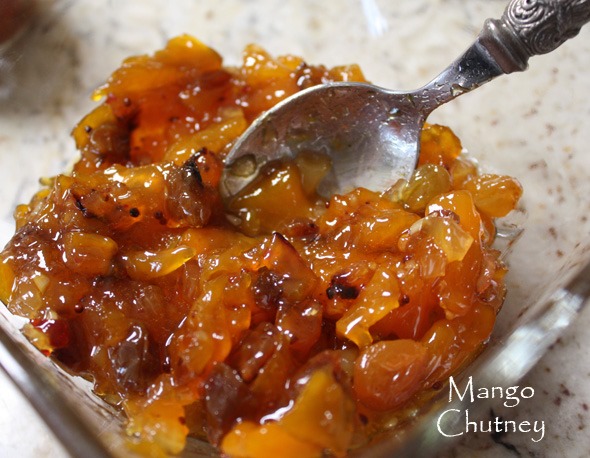
mango_chutney

What rich color! Perfect side for some grilled steak, chicken, or pork. Or as a little condiment on a sandwich. Or, spread some on top of cream cheese for a nice appetizer with crackers.

Awhile back we had a family get-together and daughter Sara brought this chutney. She left some of it with me and I’ve enjoyed it with grilled chicken and some grilled pork chops.

Back decades ago I first read about Major Grey’s mango chutney. I was in the stage of my early experimental cooking and tried making chicken curry, as I recall, and with no recipe for chutney (or even a thought of making it myself) I bought a jar of it. My recollection is that it was very expensive! Too bad I didn’t try to make it. Presumably the Joy of Cooking contains a recipe for it (I haven’t looked). Here’s what Wikipedia says about it:

Major Grey’s Chutney is a type of chutney, reputedly created by a 19th-century British Army officer of the same name who, though likely apocryphal, presumably lived in British India. Its characteristic ingredients are mango, raisins, vinegar, lime juice, onion, tamarind extract (occasionally), sweetening and spices.

I think one of my grandmothers used to make chutney, and I must not have had a great memory of it – it probably had sticky dates and/or some candied fruit in it (yuk in my book). My grandmothers made numerous types of pickles that appeared on the dinner table (I wasn’t much into pickles in those days), and both of my grandmothers made some kind of piccalilli (mixed veggies in a slightly sweet brine). I wasn’t much into cauliflower back then, either, which was a major component of that condiment.

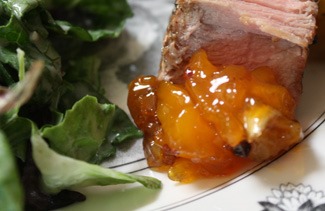
mango_chutney_with_steakBut chutney is a wonderful side dish. See photo at left nestled next to a nice piece of grilled ribeye steak. It’s s omething you can make a week ahead of time, and if you’re so inclined, this recipe gives instructions for canning it. Sara doesn’t can, and we ate a ton of this chutney that night, so don’t know that she had a lot left over. The recipe came from Simply Recipes. It’s very straight forward. First, you bring sugar and vinegar to a boil. While that’s happening, cut and prep the fruit, onion, and measure out the other ingredients. They’re all added to the liquid and cooked down (simmered) for about an hour until it’s thickened. At that point, can it for 15 minutes, or put in clean, sealed containers or jars and store in the refrigerator for several weeks. Actually, I have nothing fewer than 10 chutneys or marmalade sides on my blog. Go HERE if you want to view them.

What’s GOOD: Love this stuff. It’s sweet and only slightly savory from the onion. It’s not like jam, exactly, but it’s a close cousin. The crystallized ginger adds a nice little touch to it, and the raisins too. Altogether good. Make it ahead. Serve it with grilled meat.

What’s NOT: can’t think of anything. Try it; you’ll like it.

printer-friendly PDF and MasterCook 15/16 file (click link to open recipe)

* Exported from MasterCook *

Homemade Mango Chutney

Recipe By: From Simply Recipes (blog)
Serving Size: 12 (probably more than that)

1 cup sugar
1/2 cup distilled white vinegar
3 cups mangos — peeled and cut in 3/4-inch pieces
1/2 cup onion — chopped
1/4 cup golden raisins
1/8 cup crystallized ginger — finely chopped
1/2 garlic clove — minced
1/2 teaspoon mustard seeds — whole
1/8 teaspoon red chili flakes

1. Combine sugar and vinegar in a 6 quart pot; bring to a boil, stirring until sugar dissolves.
2. Add remaining ingredients and simmer, uncovered, until syrupy and slightly thickened, 45 minutes to 1 hour. Stir occasionally during cooking. It will be thicker once it cools. If it gets too thick, thin with just a little bit of water.
3. Optional preparation: place in sealed jars in the refrigerator – it should keep for several weeks. Or, to can, pour into clean, hot jars leaving 1/2-inch head space; close jars. Process in a water bath 15 minutes.
Per Serving: 113 Calories; trace Fat (1.4% calories from fat); trace Protein; 29g Carbohydrate; 1g Dietary Fiber; 0mg Cholesterol; 3mg Sodium.

Posted in Appetizers, on October 7th, 2016.

artichoke_crostini

Such a fun appetizer – artichoke hearts (frozen, defrosted) with garlic and a bit of fresh spinach, then pureed with lemon juice, Parmesan, Feta. THEN, the best part, served with a light sprinkle of lime salt (fresh lime zest mixed with flake salt). I absolutely loved it.

My assignment for the dinner group was an appetizer. Someone else was bringing gazpacho, so the hostess asked for something else, finger food of some kind. I scanned through my many recipes and found this, that I’d recently read from Valerie Bertinelli’s cookbook One Dish at a Time: Delicious Recipes and Stories from My Italian-American Childhood and Beyond. If you haven’t caught it, she has a show on the Food Network. Every dish I’ve prepared from the show, and now from the cookbook (at the library) has been gosh-darned good.
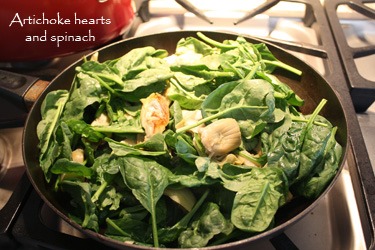
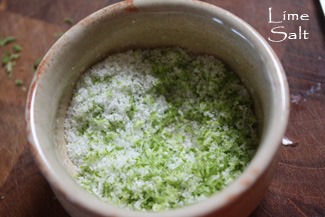
artichoke_puree1First, I defrosted a 12-ounce package of frozen artichoke hearts (Trader Joe’s), drained them, then lightly sautéed them in a little olive oil, then added the garlic and fresh spinach (just a few handfuls). That mixture got pureed in the food processor with a light amount of Parmigiano-Reggiano cheese, some Feta, fresh parsley, lemon juice, salt and pepper. It is improved with a bit of sitting in the refrigerator. Meanwhile, I made the LIME SALT. Nothing but a zested lime (the juice is not used in the dish) and some good flake salt. Some fresh, tasty radishes were thinly sliced, a baguette was sliced and the pieces lightly toasted, and it’s all done.

lime_saltMy friend Sue was visiting and she helped me make this, then we assembled them at the host’s home just before serving. One side of each baguette slice is rubbed with a raw half of a garlic clove (the mixture is fairly heady with garlic – it took about 2-3 garlic cloves to rub all the bread slices), then you pile the artichoke mixture on top, and wedge a slice or two of radish on top and sprinkle with the lime salt. See photo at right of the lime salt .

What’s GOOD: For me, this dish was just fabulous, and the lime salt is what makes it. You definitely taste the lime and the salt, but it enhances the subtle artichoke and garlic flavors. The crunch of the fresh radishes is also a big boost of flavor and good mouth-feel. I’d definitely make this again. Do note, if you’re interested, this is very low fat but high on flavor. If I’d had sufficient left overs, I was going to add a bit of olive oil and add it to some hot pasta. But no, didn’t have any left overs!

What’s NOT: There is a bit of prep to this, but it’s not excessive. It helped that I had a friend to help me with it and we got it done in less than 30 minutes. It takes very few minutes to assemble it if you have all the parts done ahead.

printer-friendly PDF and MasterCook 15/16 file (click link to open recipe)

* Exported from MasterCook *

Pureed Artichoke Crostini with Lime Salt

Recipe By: Adapted from “One Dish at a Time by Valerie Bertinelli
Serving Size: 12

1 tablespoon olive oil
12 ounces frozen artichoke hearts — thawed and patted dry
2 cups baby spinach
2 cloves garlic — chopped
2 tablespoons fresh lemon juice — plus 1 teaspoon
1/4 cup Parmigiano-Reggiano cheese — grated
3 tablespoons feta cheese — crumbled
2 tablespoons Italian parsley — chopped
1/4 teaspoon kosher salt
Freshly ground black pepper
LIME SALT GARNISH:
2 tablespoons sea salt flakes
1 lime — zested
SERVING:
1 baguette — sliced into thin rounds and toasted lightly
2 cloves garlic — halved
4 radishes — very thinly sliced, for garnish

1. Heat the oil in a medium saute pan over medium heat. Add the artichokes, spinach, chopped garlic and 1 teaspoon of the lemon juice and saute until the spinach begins to wilt and the garlic becomes fragrant, 5 to 7 minutes. Remove from the heat and transfer to a food processor. Add the Parmigiano-Reggiano, feta, parsley and the remaining tablespoons lemon juice and pulse until smooth. Add the kosher salt and season to taste with pepper.
2. SALT: In a small bowl, combine the sea salt flakes and lime zest with your fingers. Set aside.
3. Cut the remaining garlic cloves in half and rub, cut side down, onto one side of each slice of toasted bread. Spread the artichoke mixture generously among the slices, place on a platter and serve with radishes standing up in the artichoke mixture and sprinkled with a tiny pinch of the lime salt (so you can see it on the radishes); or, spoon the artichoke mixture into a serving bowl and serve with the bread slices on the side. Garnish with the radishes and lime salt.
Per Serving: 139 Calories; 3g Fat (19.2% calories from fat); 5g Protein; 23g Carbohydrate; 3g Dietary Fiber; 2mg Cholesterol; 1385mg Sodium.

Posted in Chicken, on October 3rd, 2016.

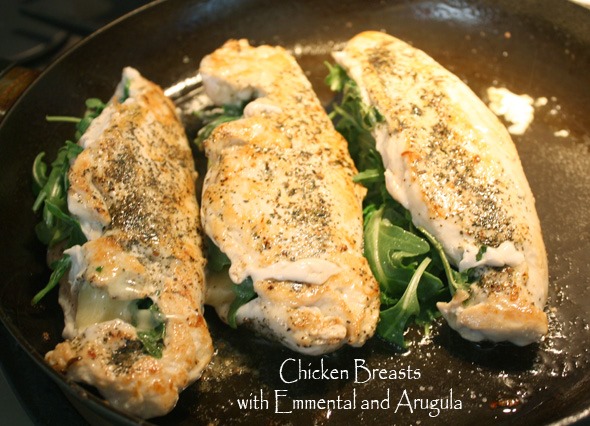
chix_breasts_emmental_arugula

Yet another filled chicken breast. You pound out the breast so it’s thin, fill it with a couple of strips of Emmental cheese (similar to Gruyere) and stuff in some arugula. Fold over, sear, roast and serve with a nice white wine, shallot and butter sauce.

My Colorado friends were visiting me – this was awhile back; it’s just taken me awhile to get this posted. One night we had dinner here at home, so I made these chicken breasts with a white wine and shallot sauce. We had some watermelon with Feta and mint and also enjoyed a dessert, which I’ve posted already.

The recipe couldn’t have been much simpler. Chicken breasts are pounded out thin with a mallet or a stainless pounder, so they’re about 1/4 inch thick. Two narrow slices of Emmental cheese are chucked in chix_breasts_raw_emmental_arugulathe fold, along with a little handful of arugula. The breasts are seasoned with salt, pepper and some kind of mixed herbs, they’re seared in a bit of oil and hopefully the same pan can go straight into the 350° oven for just a few minutes (5-7) until the breasts are just cooked through and the cheese is amply melted. Whisk them to a plate and serve with the white wine sauce you made. Probably should start the sauce before you cook the chicken.

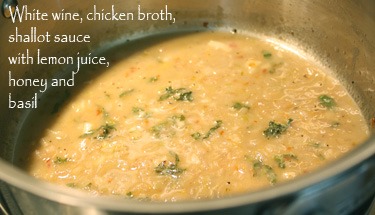
The sauce was easy enough, although it did take awhile to boil it down (reduce it) so that it thickened some. I actually sprinkled in a tiny bit of flour, but it probably wasn’t necessary. It contains shallot and garlic, white wine white_wine_sauce_shallots_honey_basiland chicken broth, lemon juice, honey, fresh basil and at the last, a couple of T. of butter. That was drizzled over the finished chicken breasts. I forgot to take a picture of it once it was served . . . sigh. With trying so hard to get dinner on the table, hot, I forgot photos! Do have everything else done before you start cooking the chicken, as it comes together very rapidly.

If you like arugula, make a little side salad for the plate. The recipe came from Tarla Fallgatter, from a long, long time ago, 2002, from a class I took from her.

What’s GOOD: overall, this is a very nice, tasty dish. I liked the cheese (there isn’t a lot of it, or it might be too rich), and I liked the bit of arugula too, but then, I’m an arugula fan. You can stuff the chicken ahead of time, so all you’d have to do it pan sear it and quick-like push the pan into the oven for a few minutes. A lovely guest-worthy dish.

What’s NOT: some people might say this is too fussy, with pounding and stuffing. It really doesn’t take long to do. The sauce might not be necessary, but I think it added much to the flavorfulness and moisture for a chicken breast, which can often be dry. This wasn’t. But, the sauce does take some extra steps and minutes to get it just right.

printer-friendly PDF and MasterCook 15/16 file (click link to open recipe)

* Exported from MasterCook *

Chicken Breasts with Emmental & Arugula

Recipe By: Adapted slightly from a Tarla Fallgatter recipe, 2002
Serving Size: 6

6 boneless skinless chicken breast halves — pounded to an even 1/4 inch thickness
2 cups baby arugula
8 ounces gruyere cheese — or Emmental, cut into 6 2-inch long strips
1/2 cup all-purpose flour
1 teaspoon Mediterranean herbs — or herb blend of your choice
SAUCE:
3 tablespoons olive oil
1/4 cup shallots — peeled and minced
2 tablespoons garlic — minced
Salt and freshly ground black pepper to taste
1/2 teaspoon red chili flakes
3/4 cup dry white wine — or red wine
3/4 cup low-sodium chicken broth
2 tablespoons unsalted butter — at room temperature
1 teaspoon fresh lemon juice
1 teaspoon honey
1/2 cup fresh basil — thinly sliced (divided use)

1. Preheat oven to 350°.
2. SAUCE: In a large sauté pan, heat the oil over medium heat. Sauté the shallot, with the salt and pepper, for about 5 minutes until translucent. Add the garlic and continue cooking another 30 seconds, then add white wine, honey and broth and let bubble for another 5-8 minutes until reduced by half. Add red chile flakes. Lower heat to below a simmer and add the unsalted butter a tablespoon at a time without letting the sauce boil at all, then add half the basil. Use remaining basil to garnish the chicken.
3. CHICKEN: To prepare the chicken, place each chicken breast half between 2 sheets of heavy-duty plastic wrap; pound to 1/4 inch thickness using a meat mallet or rolling pin. Discard plastic wrap. Top each chicken breast half with 1 slice cheese (or two small strips), and 1/4 cup arugula, leaving a 1/4-inch border around edges. Fold in half, pinching edges together to seal; sprinkle with salt and pepper. (The chicken can be prepared up to a day ahead, covered and refrigerated at this point.)
3. Dredge chicken in flour, shaking off excess. Heat oil in a large nonstick skillet (one that’s heat-proof to 350° oven temp) over medium-high heat. Add chicken; cook 5 minutes on each side. Place chicken in a shallow baking pan; bake for 5 minutes or until done and internal temperature reaches 160°F. Do not insert thermometer into the cheese. Keep warm.
4. To serve, place chicken on a cutting board and cut into 1-inch slices. then place chicken onto a heated platter or individual plates and drizzle with sauce and sprinkle basil on top. Serve immediately.
Per Serving: 457 Calories; 25g Fat (50.9% calories from fat); 42g Protein; 12g Carbohydrate; 1g Dietary Fiber; 120mg Cholesterol; 214mg Sodium.

Related Posts Plugin for WordPress, Blogger...